
News
Weather in Northern Vietnam in March: Climate & Travel Tips
The weather in northern Vietnam in March brings mild temperatures, light mist, and fresh spring landscapes. Hanoi to Lan Ha Bay, the pleasant climate is perfect for outdoor travel. Many visitors heading to Cat Ba Island also explore the bay with Cat Ba Expedition to enjoy kayaking, beaches, and scenic limestone islands.
Weather in Northern Vietnam in March: What to Expect
March is considered one of the most comfortable months to visit northern Vietnam. The cold winter temperatures begin to fade, while the hot and humid summer season has not yet arrived. As a result, the climate during this time is generally mild and suitable for most outdoor activities.
The temperature across northern Vietnam usually ranges between 18°C and 24°C in lowland areas. The weather can feel slightly cool in the early morning and evening, while daytime temperatures are pleasant and comfortable for exploring cities, mountains, and coastal areas.
Humidity levels tend to be moderate, and light mist or fog often appears in the morning, especially in mountainous regions and coastal bays. While drizzle occasionally occurs, heavy rainfall is uncommon in March.
The following table provides a general overview of the weather conditions in northern Vietnam in March.
Weather Factor
|
Typical Conditions in March
|
Average temperature
|
18°C – 24°C
|
Mountain temperature
|
12°C – 18°C
|
Rainfall
|
Light drizzle occasionally
|
Humidity
|
Moderate
|
Overall climate
|
Mild spring weather
|
This comfortable climate makes March an excellent time for travelers who want to explore northern Vietnam without the intense heat or heavy rains of later months.
Northern Vietnam Weather in March by Destination
Northern Vietnam includes a variety of landscapes, coastal bays to high mountain regions. Because of this geographical diversity, weather conditions may vary slightly depending on the destination.

Hanoi
Hanoi, the capital city of Vietnam, experiences pleasant spring weather in March. Temperatures usually range between 19°C and 24°C, creating comfortable conditions for walking and sightseeing.
Visitors exploring the Old Quarter can enjoy outdoor cafes, street food, and cultural attractions without the extreme heat found in summer. Early mornings may feel slightly cool and sometimes misty, adding a peaceful atmosphere to the city.
Ha Long Bay and Lan Ha Bay
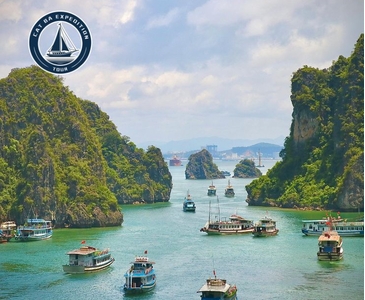
The coastal areas of Ha Long Bay and Lan Ha Bay experience similar spring weather. Temperatures typically range between 18°C and 23°C, and the sea is often calm, making it a great time for boat tours and kayaking.
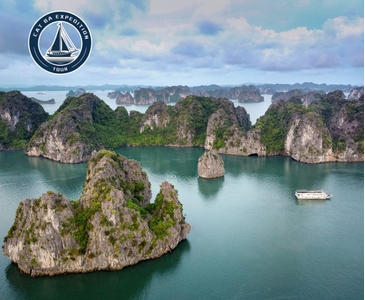
Morning mist occasionally covers the limestone islands, creating dramatic scenery that many photographers find especially beautiful. Although swimming may feel slightly cool for some travelers, the conditions remain excellent for cruising and exploring the bays.
Sapa
Sapa is located in the mountains of northern Vietnam, so the weather here is cooler than in the lowland regions. In March, temperatures generally range between 12°C and 18°C.
The surrounding rice terraces begin to turn green as spring arrives, and trekking routes become more comfortable after the cold winter months. Visitors can explore ethnic villages and mountain trails while enjoying fresh air and scenic landscapes.
Ha Giang
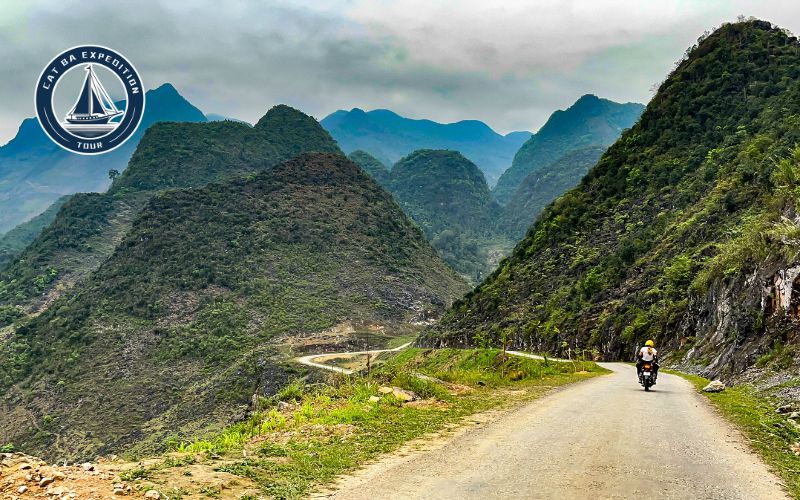
Ha Giang, known for its famous motorbike loop, also experiences pleasant spring weather in March. Temperatures usually range 15°C to 22°C, making it a comfortable time for long rides through the mountains.
This period is also known for seasonal flowers blooming across the region, adding color to the dramatic limestone peaks and valleys of Ha Giang.
The table below summarizes the typical weather in northern Vietnam in March by destination.
Destination
|
Temperature
|
Weather Characteristics
|
Hanoi
|
19–24°C
|
Mild spring weather, light mist
|
Ha Long / Lan Ha Bay
|
18–23°C
|
Calm sea, scenic limestone islands
|
Sapa
|
12–18°C
|
Cool mountain air, green landscapes
|
Ha Giang
|
15–22°C
|
Pleasant for motorbike travel
|
Why March Is a Good Time to Visit Northern Vietnam
There are several reasons why many travelers consider March a great time to visit northern Vietnam. The combination of comfortable weather and beautiful spring scenery creates excellent travel conditions throughout the region.
One of the main advantages is the pleasant temperature. Unlike the hot summer months, March offers mild conditions that make it easier to explore cities, mountains, and coastal areas without feeling exhausted by the heat.
Another highlight is the natural scenery. Spring brings fresh greenery to the mountains and forests of northern Vietnam. In places like Sapa and Ha Giang, the landscape becomes particularly vibrant as new plants grow and flowers bloom across the hillsides.
March also tends to be less crowded than the peak travel season in summer. While popular destinations still attract visitors, the number of tourists is usually manageable, allowing travelers to enjoy attractions in a more relaxed atmosphere.
The season is also ideal for outdoor activities. Visitors can trek through mountain villages, cruise among limestone islands, or explore cultural landmarks in Hanoi without worrying about extreme weather conditions.
Some of the most popular activities during this time include:
Trekking in Sapa and surrounding mountain villages
Exploring the Hanoi Old Quarter
Cruising in Lan Ha Bay or Ha Long Bay
Riding the Ha Giang Loop by motorbike
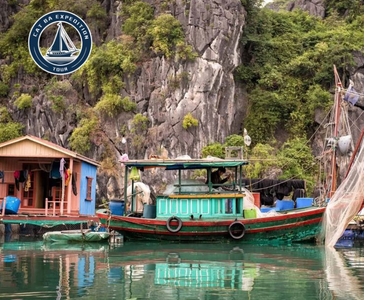
Visiting floating fishing villages and coastal islands
Because of these opportunities, many travelers consider March a well-balanced month for experiencing the diverse landscapes of northern Vietnam.
Travel Tips for Visiting Northern Vietnam in March
Although the weather is generally comfortable, preparing properly can make your trip more enjoyable.

One useful tip is to bring a light jacket or sweater, especially for early mornings or evenings when temperatures may feel cooler. This is particularly important if you plan to visit mountainous areas such as Sapa or Ha Giang.
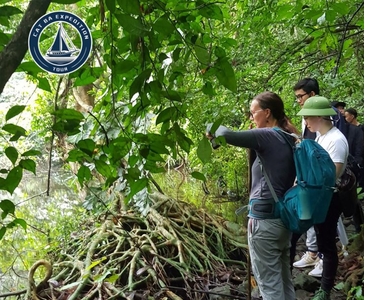
Comfortable walking shoes are also recommended because many attractions in northern Vietnam involve walking or hiking. If you plan to explore trekking routes or national parks, sturdy footwear will make the experience more comfortable.
Because light drizzle can occasionally occur, carrying a small rain jacket or umbrella may also be helpful. However, heavy rain is not common during this time of year.
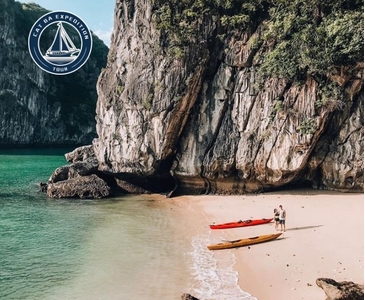
Travelers interested in visiting coastal areas such as Lan Ha Bay may also want to pack swimwear and sunscreen. Even though the water temperature can be slightly cool, many visitors still enjoy kayaking, boat tours, and relaxing on quiet beaches.
Planning your travel route in advance can also help maximize your experience. A popular itinerary for many visitors includes Hanoi, Ha Long Bay or Lan Ha Bay, Sapa, and Ha Giang, allowing travelers to experience cities, coastal landscapes, and mountain scenery within one trip.
Overall, the weather in northern Vietnam in March offers comfortable temperatures and beautiful spring scenery for exploring cities, mountains, and coastal areas. Travelers visiting Cat Ba Island can also join a Lan Ha Bay cruise with Cat Ba Expedition to experience the peaceful beauty of the bay during this pleasant season.