
News
Spring Roll Cooking Class: Complete Travel Guide
Joining a spring roll cooking class is one of the most rewarding ways to experience Vietnamese cuisine beyond simply eating at restaurants. Instead of just tasting fresh rolls on the street, you step the kitchen, handle local herbs, soften rice paper by hand, and learn the balance of flavors that define Vietnamese food. In Cat Ba, travelers can take part in a hands-on culinary experience with Cat Ba Expedition, where cooking becomes both a cultural lesson and a memorable highlight of the island journey.
What Is A Spring Roll Cooking Class?
A spring roll cooking class focuses on teaching participants how to prepare one of Vietnam’s most iconic dishes scratch. While simple at first glance, spring rolls represent balance, freshness, and texture in Vietnamese cuisine.
Fresh Vs Fried Spring Rolls
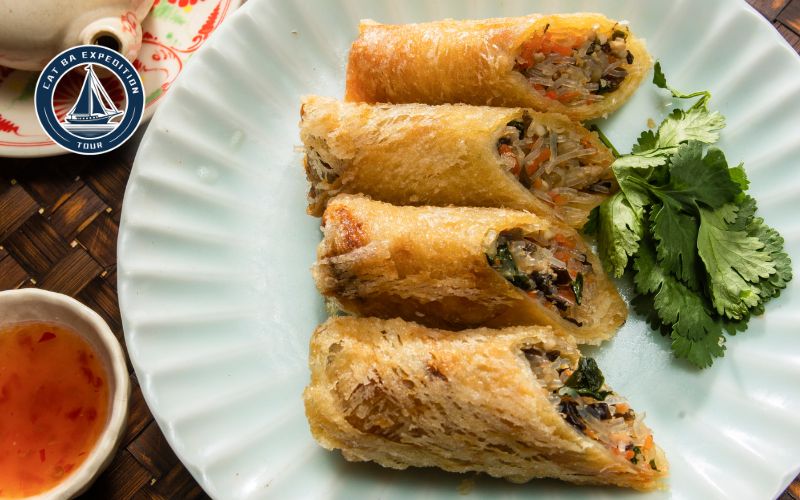
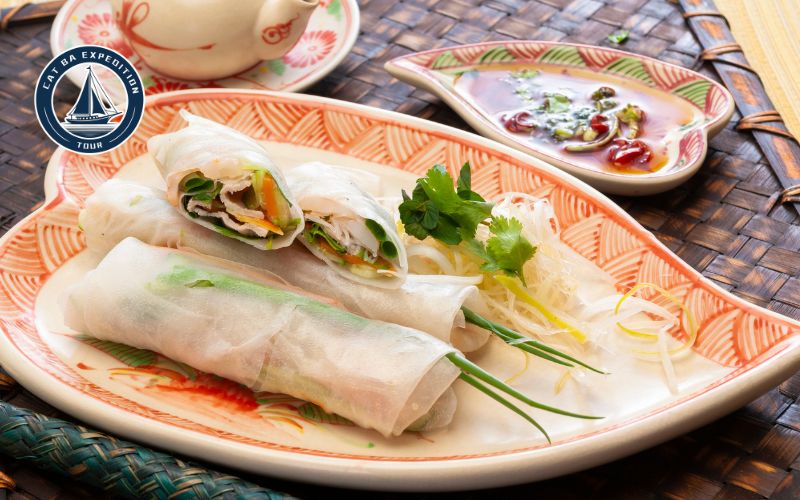
Vietnam has two main types of spring rolls. Fresh spring rolls, known locally as “gỏi cuốn”, are made with rice paper wrapped around herbs, vermicelli noodles, vegetables, and often shrimp or pork. They are served cold with dipping sauce.
Fried spring rolls, or “nem rán”, are wrapped tightly and deep-fried until crispy. They are popular during celebrations and family gatherings.
Most cooking classes focus on fresh rolls because they highlight knife skills, ingredient preparation, and the art of rolling rice paper properly without tearing it.
What You Learn In Class
A spring roll cooking class typically includes:
Understanding essential ingredients such as rice paper, herbs, and fish sauce
Practicing knife techniques for slicing vegetables and herbs
Learning the correct way to soften and roll rice paper
Preparing dipping sauces that balance sweet, sour, salty, and spicy flavors
By the end of the session, participants gain practical skills they can recreate at home.
Why Take A Spring Roll Cooking Class In Vietnam?
While spring rolls are available in almost every Vietnamese restaurant, making them yourself changes the experience entirely.
1 - Understanding Local Ingredients
Vietnamese cuisine relies heavily on fresh herbs like mint, coriander, and lettuce. Fish sauce provides depth, while rice paper acts as a delicate wrapper. Learning how these ingredients interact gives deeper appreciation for the country’s culinary identity.
2 - Cultural Meaning
Spring rolls are often prepared during family gatherings, celebrations, and special occasions. In many households, rolling together becomes a shared activity, reinforcing community bonds. Taking a class offers insight these everyday traditions.
3 - Tourist To Participant
Eating is passive. Cooking is active. A spring roll cooking class transforms travelers observers participants, creating a more meaningful connection to local culture.
Spring Roll Cooking Class In Cat Ba With Cat Ba Expedition
For travelers visiting Cat Ba Island, Cat Ba Expedition offers a cooking class that blends culinary instruction with cultural storytelling.
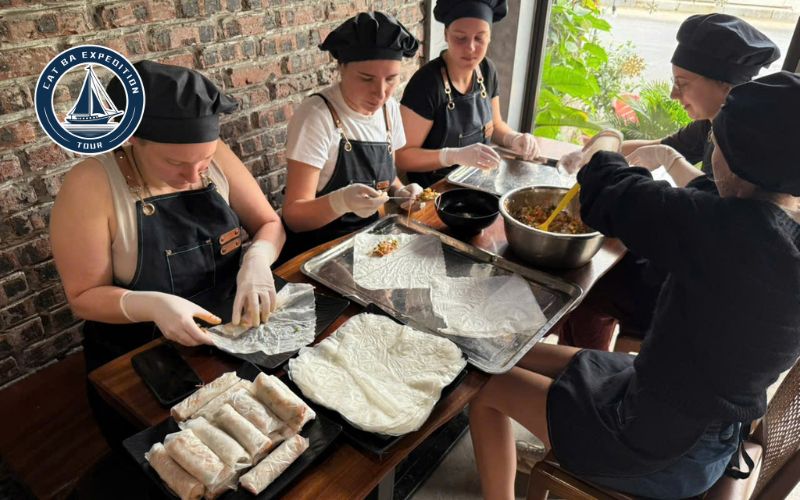
Overview Of The Experience
The class usually begins around 9:00 AM at the restaurant location. Participants are welcomed by a professional chef who introduces the day’s menu and explains the importance of each ingredient in Vietnamese cooking.
Guests practice knife skills under supervision and prepare components step by step before assembling their spring rolls.
What You Will Cook
While spring rolls are the highlight, the class often includes additional Vietnamese dishes depending on the daily menu. These may include traditional pho, hot pot, or other seasonal specialties.
One unique feature is learning how to prepare Vietnamese egg coffee, a rich and creamy beverage made by whisking egg yolk with sugar before combining it with strong coffee. This adds a cultural twist to the culinary experience.
Cultural Interaction
After cooking, participants sit together to enjoy the meal they have prepared. Local beer and conversation create a relaxed and friendly atmosphere. The session becomes more than a lesson; it feels like sharing a meal with friends.
Details:
Duration: Approximately 3–4 hours
Price: 1,300,000 VND per guest
Vegetarian and allergy-friendly options available
By combining instruction, storytelling, and shared dining, Cat Ba Expedition turns a simple spring roll cooking class a memorable cultural experience.
What To Expect During The Class
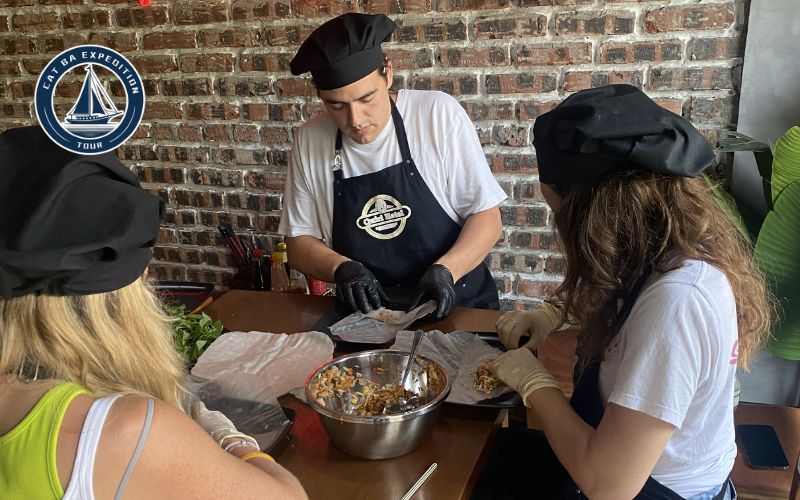
Most spring roll cooking classes are beginner-friendly. No prior cooking experience is required. The chef guides each step carefully, ensuring participants feel comfortable and confident.
The kitchen environment is clean and organized. Fresh ingredients are prepared daily. Small group sizes encourage interaction and allow for personalized attention.
The overall atmosphere is relaxed rather than formal. Laughter often fills the room as participants compare their rolling techniques and taste-test sauces.
Who Should Join And Helpful Tips
A spring roll cooking class suits a wide range of travelers. Couples enjoy it as a shared activity. Solo travelers appreciate the social interaction. Families with older children find it educational and fun. Digital nomads staying longer in Vietnam often join to deepen their understanding of local cuisine.
Before attending, it is helpful to inform the organizer about dietary restrictions or allergies. Arrive hungry, as you will be eating the dishes you prepare. Comfortable clothing is recommended, and bringing a notebook can help you record recipes to recreate at home.
A spring roll cooking class offers far more than a recipe. It provides insight Vietnamese food culture, ingredient balance, and the communal traditions behind everyday dishes. In Cat Ba, joining a hands-on session with Cat Ba Expedition allows travelers to connect culinary discovery with island exploration, creating a richer and more personal travel experience. Whether you are a food enthusiast or simply curious about Vietnamese cuisine, this experience adds flavor and meaning to your journey.