
News
Traditional Tet Foods Vietnam: Complete Cultural Food Guide
Traditional Tet foods Vietnam play a central role in Lunar New Year celebrations, representing family values, cultural symbolism, and regional food traditions. Through cultural cooking experiences organized with Cat Ba Expedition, travelers can explore traditional Vietnamese cuisine while gaining deeper insight local food culture and daily life.
Why Traditional Tet Foods Vietnam Are Special
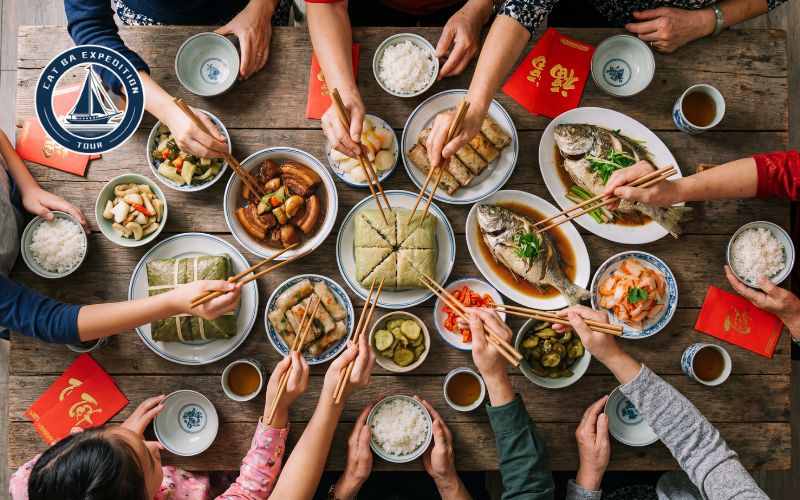
Unlike daily meals that focus on freshness and speed, Tet food preparation requires planning, time, and symbolic meaning. Families often begin preparing food several days before Lunar New Year. The process usually involves multiple generations working together, creating a strong sense of family bonding.
Many Tet dishes are designed to last for several days because markets and restaurants often close during the holiday. This practical reason slowly became part of Tet holiday Vietnam traditions. Over time, Tet meals evolved a combination of preserved foods, ceremonial dishes, and comfort meals prepared in large quantities.
Food during Tet also carries symbolic meaning. Sticky rice represents unity and togetherness. Pork symbolizes prosperity and abundance. Eggs often represent new beginnings and growth. Sweet foods express hopes for a sweet and successful new year.
The Most Iconic Traditional Tet Foods Vietnam Visitors Should Know
Several dishes appear consistently across Vietnamese households during Tet. While regional variations exist, some foods are considered essential nationwide.
Dish
|
Main Ingredients
|
Cultural Meaning
|
Region Popularity
|
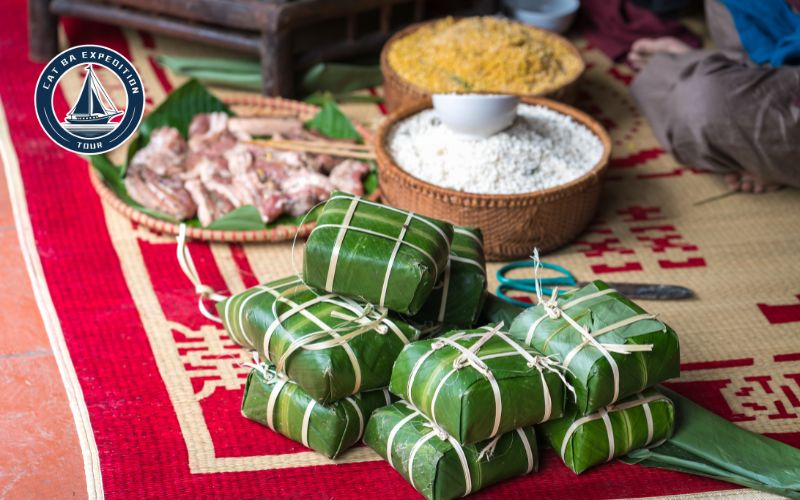
Banh Chung
|
Sticky rice, pork, mung bean
|
Earth, gratitude, family roots
|
Northern Vietnam
|
Banh Tet
|
Sticky rice, pork, mung bean, banana or coconut
|
Unity, prosperity
|
Southern Vietnam
|
Gio Lua
|
Pork sausage
|
Stability, completeness
|
Nationwide
|
Thit Kho Tau
|
Pork belly, eggs, coconut water
|
Wealth, abundance
|
Southern Vietnam
|
Mut Tet
|
Candied fruits, seeds, nuts
|
Sweetness, luck
|
Nationwide
|
Banh Chung is often considered the heart of Northern Tet celebrations. The square shape represents the Earth according to Vietnamese legend. Families traditionally gather overnight to cook Banh Chung together, turning food preparation a social event rather than just kitchen work.
Banh Tet serves a similar role in Southern Vietnam. The cylindrical shape represents continuity and family connection. Southern versions often include sweeter flavors or creative fillings such as banana or coconut, reflecting the region’s taste preferences.
Gio Lua is present on almost every Tet tray because it is easy to serve and store. It is often eaten with pickled vegetables to balance the richness of other Tet dishes.
Thit Kho Tau is especially popular in Southern Vietnam. The golden eggs inside the dish symbolize wealth and prosperity. Large family pots are prepared because the dish tastes even better after reheating.
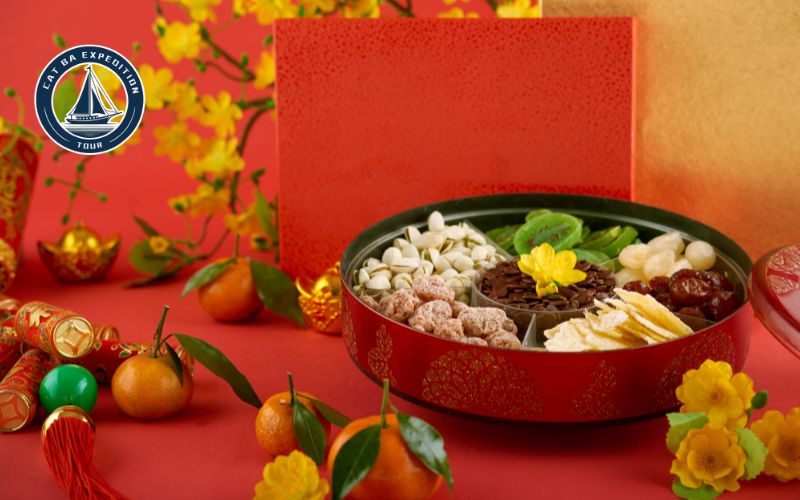
Mut Tet is served when guests visit homes during Lunar New Year. The variety of candied fruits and seeds represents different wishes for the new year, happiness to financial success.
Regional Differences in Traditional Tet Foods Vietnam
Vietnamese cuisine changes significantly North to South, and Tet food traditions reflect these regional identities.
Region
|
Flavor Profile
|
Common Tet Foods
|
Cultural Characteristics
|
Northern Vietnam
|
Balanced, less sweet
|
Banh Chung, pickled onions, boiled chicken
|
Focus on tradition and original flavors
|
Central Vietnam
|
Stronger, sometimes spicy
|
Fermented foods, preserved meats
|
Reflects history of preservation and resourcefulness
|
Southern Vietnam
|
Sweeter, richer
|
Banh Tet, Thit Kho Tau, coconut-based dishes
|
Focus on abundance and sharing
|
Northern Tet meals often emphasize balance and simplicity. Dishes are usually less sweet and more focused on preserving original ingredients.
Central Vietnam has a tradition of preserved and fermented foods due to historical climate challenges. Tet meals here often include a wide variety of small dishes.
Southern Vietnam tends to favor sweeter flavors and larger sharing meals. Coconut is commonly used in cooking, creating richer and more comforting dishes.
How Travelers Can Experience Traditional Tet Foods Vietnam
Travelers can explore Tet food culture through several different experiences, especially when planning their trip and asking when is Tet in Vietnam to match the holiday season. Eating at local homes provides the most authentic experience, but it is not always accessible without local connections. Some restaurants serve Tet dishes during the holiday, though availability depends on location and business schedules.
Cooking classes are becoming one of the most effective ways for travelers to understand traditional Tet foods, because instead of only tasting dishes, travelers learn how ingredients are selected, prepared, and cooked while also discovering the cultural meaning behind each dish.
Experiencing Vietnamese Cooking Culture in Cat Ba
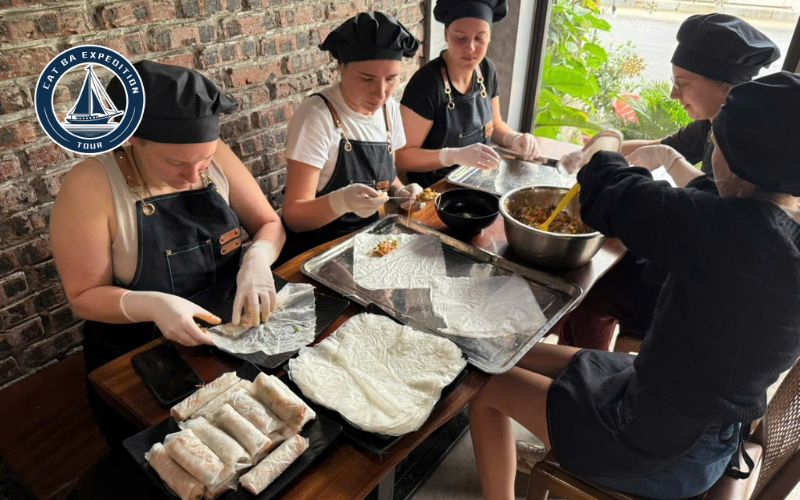
For travelers visiting Northern Vietnam, Cat Ba Island provides a laid-back setting to discover Vietnamese food culture in a more local and authentic way. The Cat Ba cooking class experience focuses not only on teaching cooking techniques but also on sharing insights daily food traditions and the local island lifestyle.
This cultural cooking experience is delivered through collaboration between local chefs and tour operators like Cat Ba Expedition, and is hosted at the Quiri Kitchen cooking space.
This experience is designed to introduce travelers to Vietnamese cuisine in a practical and cultural context. Instead of focusing only on recipes, the experience explains how food connects to Vietnamese daily life, celebrations, and family traditions.
The experience usually begins in the morning with an introduction to Vietnamese cooking culture and class schedule. Participants then move to the cooking space where chefs introduce fresh local ingredients and explain how they are used in traditional dishes.
Travelers can practice knife skills under professional guidance and prepare dishes such as fresh spring rolls, pho, or Vietnamese hot pot depending on the daily menu. Vegetarian options and allergy-friendly alternatives are typically available, making the experience accessible to many types of travelers.
After cooking, participants sit together and enjoy the meal they prepared. This reflects how Vietnamese families often eat during holidays and celebrations. The experience often includes learning how to make Vietnamese egg coffee, a famous drink that combines strong coffee with whipped egg cream to create a smooth and rich flavor.
The experience is typically priced around 1,300,000 VND per guest and focuses on small group interaction rather than large tour groups. This allows travelers to interact more closely with chefs and better understand Vietnamese cooking culture.
Traditional Tet foods Vietnam represent family traditions, cultural symbolism, and Vietnamese identity during Lunar New Year. Beyond tasting iconic dishes, travelers can better understand these traditions through cultural food experiences with Cat Ba Expedition, offering a deeper connection to Vietnamese cuisine and local life.