
News
Tet Holiday Vietnam Traditions: Complete 2026 Guide
Tet holiday Vietnam traditions are more than just a celebration of the Lunar New Year, they are a meaningful blend of family reunions, spiritual rituals, lucky customs, and iconic seasonal foods. In this guide, you’ll discover the most important Tet traditions in Vietnam, what to eat, what to avoid, and how to experience Tet respectfully. If you’re spending Tet in Cat Ba, you can still explore Lan Ha Bay with Cat Ba Expedition, which operates tours throughout the holiday.
What Is Tet Holiday in Vietnam?
Tet Nguyen Dan, usually shortened to Tet, is the Vietnamese Lunar New Year. It is celebrated based on the lunar calendar, which means the date changes each year, typically falling between late January and mid-February.
While Tet marks the beginning of a new year, it is also a cultural festival that brings together spirituality, gratitude, and new beginnings. Vietnamese families believe the first days of the year set the tone for the months ahead. That’s why Tet holiday Vietnam traditions place strong focus on good luck, harmony, and positive energy.

When Does Tet Happen?
Tet celebrations often start before the official holiday begins. The atmosphere builds up 1–2 weeks before Tet, when streets become busy with markets, decorations, and home preparations. Most Vietnamese people travel back to their hometowns during this period.
The official Tet holiday typically lasts around 3–7 days depending on work schedules, but the traditions may continue for up to two weeks, especially in rural areas.
Why Tet Is Vietnam’s Most Important Holiday
Tet is about:
Returning home to be with family
Honoring ancestors and family roots
Cleaning away bad luck the previous year
Welcoming prosperity, health, and happiness
Even if Vietnam has many festivals, Tet remains the one time of year when almost everyone pauses their routine to focus on family and tradition.
Most Important Tet Holiday Vietnam Traditions
The following are the most meaningful Tet customs and rituals across Vietnam. While details vary by region, these traditions are widely recognized throughout the country.
Cleaning and Preparing the House Before Tet
One of the most common Tet holiday Vietnam traditions happens before Tet even begins: cleaning the house. Vietnamese people believe cleaning removes bad luck and negative energy the previous year. Families clean their homes, decorate living spaces, and prepare offerings for ancestors.
This tradition also symbolizes readiness for new beginnings. Many families repaint walls, replace old items, and arrange the house to look fresh and welcoming.
Ancestral Worship and Family Altars
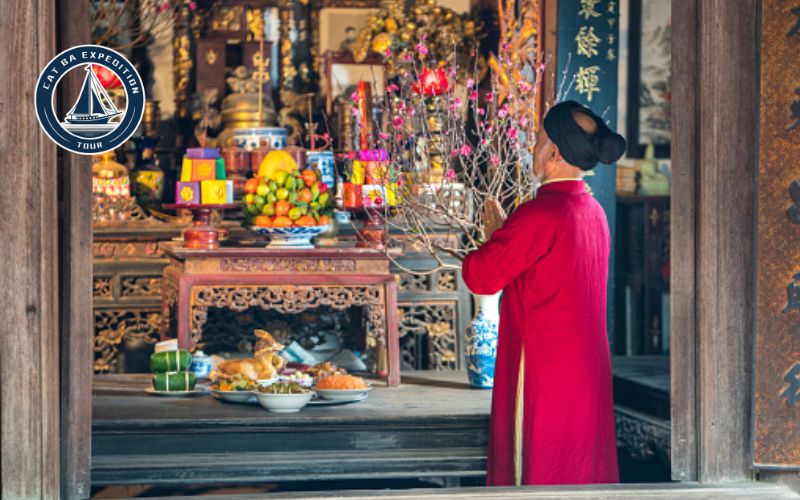
Ancestral worship is at the heart of Tet. Almost every Vietnamese household has a family altar dedicated to ancestors. During Tet, families prepare offerings such as fruit, flowers, incense, and traditional food to honor those who came before them.
Lighting incense is not simply a ritual. It is a sign of gratitude, respect, and the belief that ancestors continue to protect and guide their descendants.
During Tet, it’s common to see:
Fresh flower arrangements near altars
A “five-fruit tray” (mâm ngũ quả)
Special Tet foods offered before family meals
Lucky Money (Lì xì) in Red Envelopes
Giving lucky money is one of the most well-known Tet holiday Vietnam traditions. Adults give children and younger family members money inside a red envelope. The money amount is less important than the meaning: blessings for good luck, health, and success.
Red symbolizes prosperity and protection. When receiving lucky money, children often greet elders with Tet wishes and show respect.
Travel tip: If you’re visiting a Vietnamese home, bringing small red envelopes can be a thoughtful gesture, but only do so if invited the family setting.
First Visitor of the Year (Xông đất)
Vietnamese people believe the first person to enter a home in the new year can influence the household’s luck. This tradition is called xông đất (or xông nhà). Some families carefully choose a person believed to bring good fortune, such as someone with a positive personality, successful career, or compatible zodiac sign.
Because of this belief, some people avoid visiting friends or neighbors too early in the new year unless they are invited.
Visiting Pagodas and Temples
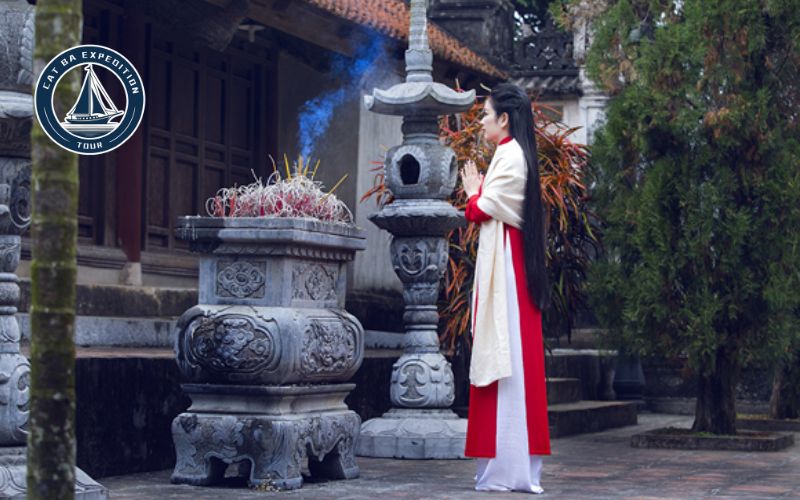
Many Vietnamese people visit pagodas during Tet to pray for peace, health, and good fortune. You will see families lighting incense, making donations, and taking quiet time to reflect.
If you visit a pagoda:
Dress modestly (cover shoulders and knees)
Speak quietly
Follow the flow of visitors
Avoid posing in front of altars
This is both a cultural and spiritual practice, so respectful behavior matters.
New Year Greetings and Wishes
On Tet, people exchange greetings and wishes for the coming year. This tradition is important because positive words are believed to attract positive outcomes.
Common Vietnamese Tet wishes include:
Chúc mừng năm mới (Happy New Year)
An khang thịnh vượng (Security, good health, prosperity)
Vạn sự như ý (May everything go as you wish)
Sức khỏe dồi dào (Wishing you strong health)
Learning a few simple greetings is a great way to connect with locals during Tet.
Traditional Tet Foods You Must Try
Food plays a major role in Tet celebrations. Families prepare meals not only for their living relatives, but also as offerings for ancestors. Traditional foods often carry symbolic meaning, reflecting wishes for abundance and unity.
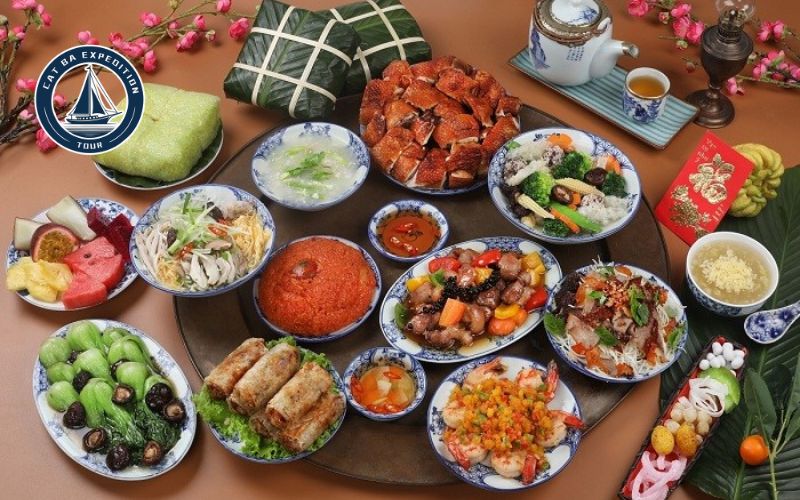
1 - Banh Chung vs. Banh Tet
Bánh chưng and bánh tét are the most iconic Tet foods.
Bánh chưng is a square sticky rice cake popular in Northern Vietnam.
Bánh tét is a cylindrical version more common in Southern Vietnam.
Both are made with sticky rice, mung beans, and pork, wrapped in leaves and boiled for many hours. They symbolize gratitude for nature and the connection between earth and family.
2 - Pickled Onions (Dưa hành / Củ kiệu)
Pickled onions help balance heavy Tet dishes and represent freshness. They are often served as a side dish with bánh chưng or pork dishes.
3 - Vietnamese Sausage (Giò chả)
Giò chả (Vietnamese pork sausage) is widely present on Tet trays and family meals. It’s easy to share and often served with sticky rice and pickled vegetables.
4 - Boiled Chicken and Spring Rolls
Many families prepare boiled chicken as a symbolic offering and a traditional dish during Tet meals. Spring rolls (fried or fresh, depending on region) are also common, especially at larger family gatherings.
5 - Tet Sweets and Snacks (Mứt Tết)
During Tet, Vietnamese homes often welcome visitors with tea and sweet snacks. Mứt (candied fruit), roasted seeds, and dried snacks are served as symbols of hospitality and abundance.
Learn about the food in Cat Ba in the following article: Cat Ba Food and Drink Guide: Where to Eat & Chill 2026
Tet Decorations and Symbolic Flowers
In Vietnam, Tet decorations are not only festive, but symbolic. They represent prosperity, growth, and renewal.
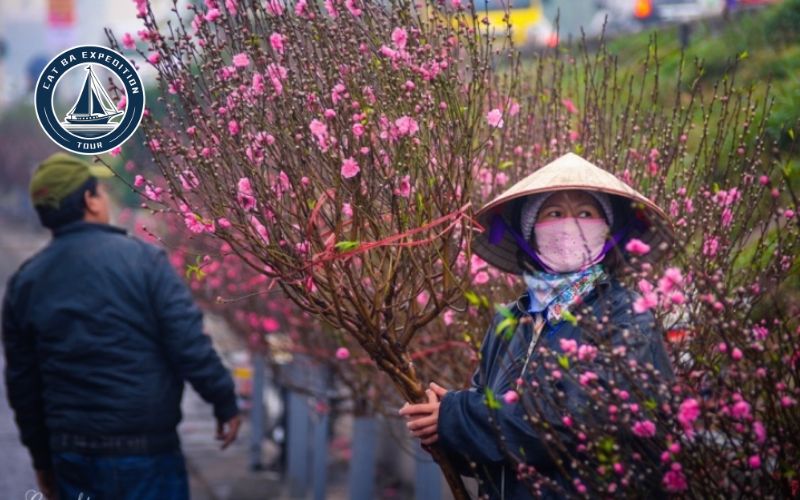
Peach Blossom (Hoa đào) in the North: Peach blossoms are popular in Hanoi and Northern Vietnam. They symbolize vitality and luck.
Apricot Blossom (Hoa mai) in the South: Apricot blossoms are widely used in Ho Chi Minh City and Southern Vietnam. The bright yellow color is associated with wealth and success.
Kumquat Trees (Cây quất): Kumquat trees represent fertility and prosperity. The number of fruits and the tree’s appearance are believed to reflect the household’s fortune for the year ahead.
Red and Gold Decorations: You’ll see red banners, lanterns, and calligraphy signs in homes and streets. Red and gold symbolize happiness and wealth, making them key colors of Tet celebrations.
Best Things to Do During Tet in Cat Ba
Tet in Cat Ba is peaceful, less crowded, and ideal for travelers who love nature and slow travel. Even though some restaurants and shops may operate with limited hours, the island still offers plenty of memorable experiences. Here are the best things to do during Tet in Cat Ba:

1 - Enjoy the quiet island vibe
Walk around Cat Ba Town, breathe in the sea air, and enjoy the calm streets decorated for Tet. It’s the perfect time to slow down and soak up the local atmosphere.
2 - Visit temples and pagodas
Tet is a spiritual holiday for many Vietnamese families. Visiting temples and pagodas is a meaningful way to experience Tet traditions, as locals pray for health, peace, and good luck in the new year.
3 - Catch sunrise or sunset by the sea
Start the year with a peaceful sunrise, or end the day watching sunset over the water. The scenery in Cat Ba during Tet feels extra special because it’s quieter and less crowded.
4 - Explore Cat Ba National Park (if conditions allow)
If open, spend a morning hiking through Cat Ba National Park for fresh air, forest trails, and stunning viewpoints. Tet is a great time for nature because there’s often less foot traffic.
5 - Take a Lan Ha Bay tour with Cat Ba Expedition (open during Tet)
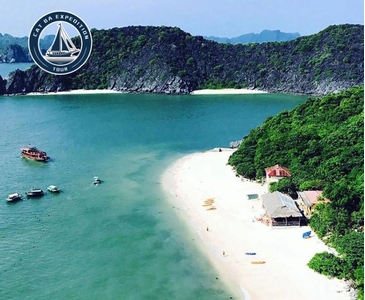
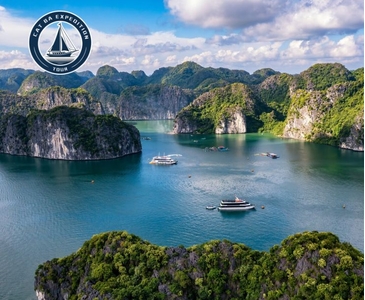
Good news for travelers: Cat Ba Expedition still runs Lan Ha Bay tours throughout Tet, so you can explore the bay even during the holiday. This is one of the best ways to experience Cat Ba at its most beautiful, with activities like kayaking, visiting floating villages, and cruising through limestone landscapes. Because it’s Tet season, it’s recommended to book early to secure your spot.
6 - Try Tet food and holiday snacks
Even with limited options, you can still find traditional Tet dishes and sweet snacks. Look for sticky rice, spring rolls, and classic Tet treats served with tea.
Travel tip: Bring cash, keep your itinerary flexible, and confirm opening hours in advance, as Tet schedules can change quickly.
Tet holiday Vietnam traditions capture the true spirit of Vietnam through family reunions, ancestral worship, lucky rituals, and iconic foods that welcome a fresh new beginning. If you’re traveling during Tet, plan ahead, stay flexible, and embrace the slower pace as a special part of the experience. And if you choose to spend Tet in Cat Ba, you can still explore the stunning beauty of Lan Ha Bay with Cat Ba Expedition, which continues running tours throughout the holiday.