
News
Phu Long Mangrove Forest: A Guide to Cat Ba’s Hidden Wetland
Phu Long Mangrove Forest is one of the most untouched natural landscapes in Cat Ba, and in this guide, Cat Ba Expedition takes you deeper its ecosystem, culture and local life. a 700-hectare wetland recognized within the UNESCO Cat Ba Biosphere Reserve to mangrove roots that shelter fish, birds and shellfish, this forest is more than scenery - it is a living world shaped by tides.
Where Is Phu Long Mangrove Forest and Why It Matters
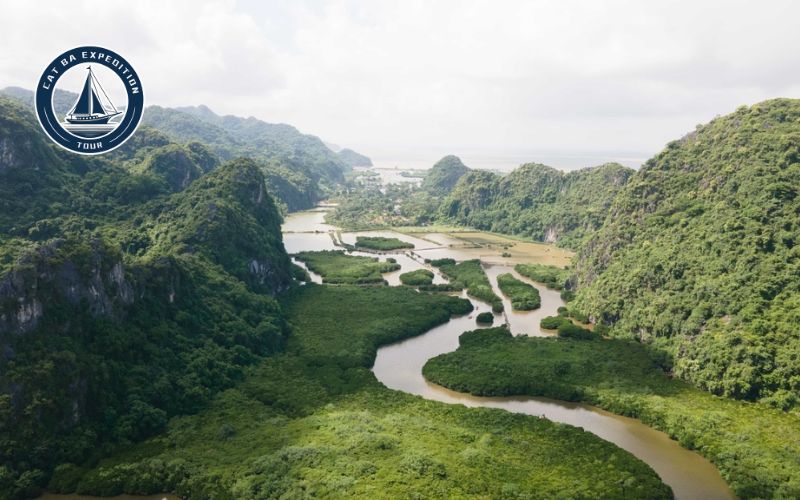
Phu Long Mangrove Forest is located in Phu Long Commune, Cat Hai District, Hai Phong City, lying quietly on the western side of Cat Ba Island. This vast wetland marks the northern gateway Cat Ba, where waterways stretch through fishing villages, wooden bridges cross tidal streams, and mangrove roots form natural corridors across the mudflats. Cat Ba Town, the forest is reachable by motorbike or car in roughly 20–25 minutes, or directly the mainland via Cai Vieng ferry or the cable-car route before continuing further inland.
Spanning nearly 700 hectares, Phu Long is not only the largest mangrove ecosystem on Cat Ba but also one of the most protected and biologically rich landscapes in the region. It sits at the heart of the UNESCO-recognized Cat Ba Biosphere Reserve (since 2004), acting as a living shield that stabilizes coastlines, filters water, and supports the life cycles of marine species. Thousands of juvenile fish, crabs, mollusks, and shrimp depend on the mangrove root system as a nursery ground before moving deeper waters - meaning the forest directly sustains local fishing livelihoods.
But the value of Phu Long reaches beyond wildlife. Mangroves here store carbon, reduce erosion, soften storm impact, and maintain a natural climate buffer for the island. The intricate root networks lock in sediment, preventing coastal loss and protecting nearby villages during seasonal tides. Birds migrate through the canopy, mudskippers glide across wet soil, oysters cling to roots, and tidal water carries nutrients that keep the forest alive day after day.
Phu Long matters because it is not just scenery - it is a functioning ecosystem, breathing with the tides, shaping life for both nature and people. Preserving it means preserving generations of biodiversity, cultural livelihood, and the future resilience of Cat Ba itself.
What You’ll See: Ecosystem, Flora & Fauna
Visiting Phu Long Mangrove Forest gives travelers a close look one of the most valuable wetland ecosystems on Cat Ba Island. This area is shaped by tides, nutrient-rich mud, and coastal waterways that support both marine life and bird species. The forest remains largely untouched, making it a rare place where nature continues to operate on its own rhythm.
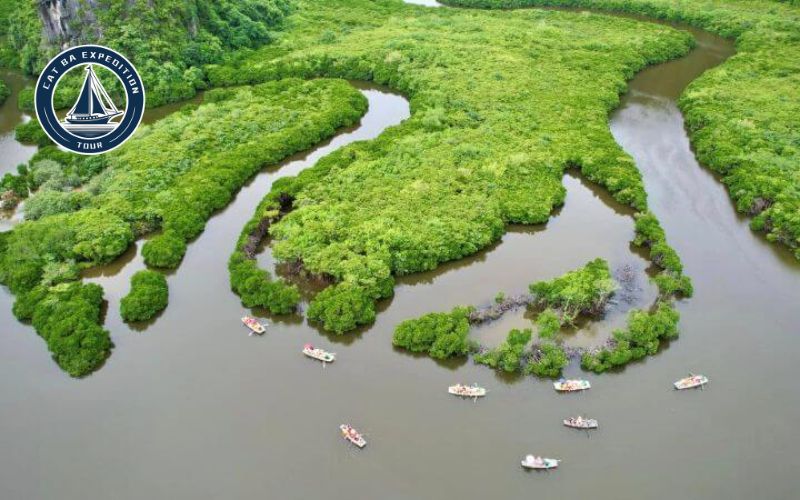
Mangrove Ecosystem Overview
Phu Long is a salt-tolerant forest formed by tidal changes and sediment over hundreds of years. Water levels rise and fall daily, creating channels where boats and kayaks can move through easily. When the tide is low, exposed mudflats reveal root systems and feeding grounds for small marine creatures. This natural cycle keeps the ecosystem healthy and continuously regenerating.
Key Flora in Phu Long
Mangrove species dominate the landscape and are specially adapted to survive in brackish water. Some of the most common plants include:
Avicennia (Mắm)
Rhizophora (Đước – Vẹt)
Bruguiera and Sonneratia (Bần – Sú)
Nipa Palm (Dừa nước)
These plants stabilize the coastline, hold sediment, and create breeding habitats for marine life. Their exposed roots form dense networks that filter water and prevent erosion, making them essential to the island’s environmental protection.
Wildlife and Fauna Habitats
Phu Long Mangrove Forest is rich in biodiversity. The roots and waterways provide shelter for aquatic and bird life, making it an ideal place for nature observation. Common wildlife includes:
Crabs, mudskippers, snails, mollusks
Juvenile fish and shrimp species
Birds such as herons, kingfishers, and migratory waterbirds
Small reptiles and amphibians adapted to wetland zones
Early morning and late afternoon are the best times for wildlife watching, when birds feed along the mudflats and tidal fish move between root systems.
Experiences & Activities in Phu Long
Exploring Phu Long Mangrove Forest is not just about walking through a scenic wetland. It is a chance to participate, observe, and feel the rhythm of a coastal ecosystem that blends nature with local life. Visitors can paddle through green waterways, dig for seafood with fishermen, enjoy meals prepared the forest’s own produce, and even enter a limestone cave resting quietly nearby.
1 - SUP, Kayak or Traditional Boat Tour Through Mangrove Channels
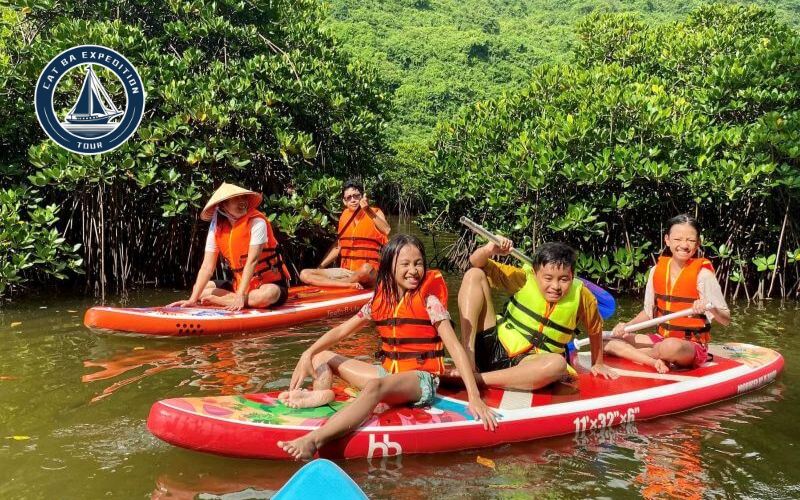
A relaxing way to discover Phu Long is to travel by SUP board, kayak, or a small rowboat operated by local residents. These boats move smoothly through narrow water paths where mangrove roots stretch like natural bridges. Paddle deeper the forest and you will notice fish swimming below the surface, leaves reflecting on still water, and sunlight falling gently between branches. This experience is ideal for those who love nature, photography and calm exploration.
2 - Mudflat Clam and Oyster Collecting with Local Families
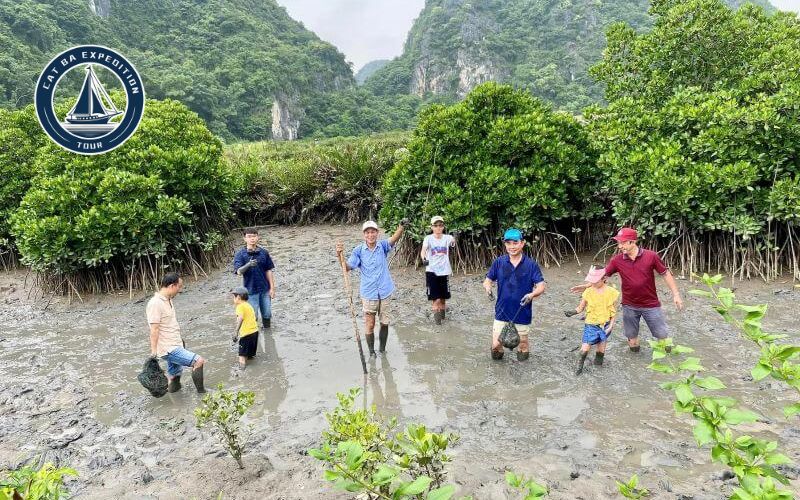
One of the most enjoyable activities for visitors is stepping the mud to search for clams and oysters. Locals guide travelers to shallow tidal areas, showing them where to dig, how to feel shells with bare hands, and how to collect them without harming the roots. The experience is lighthearted and often surprising for beginners, but beyond the fun it is also a lesson in how coastal communities rely on the mangrove system to survive.
3 - Traditional Fishing Experience with Net and Rod
If you want to observe local livelihoods more deeply, try joining fishermen in catching fish using traditional methods. You may learn how to cast a simple net, handle a rod in still water, or pull seafood directly the mesh. Every step requires attention and patience, which helps visitors appreciate the skill and effort behind the work that sustains many households around Cat Ba.
4 - Fresh Seafood Meal Prepared Beside the Wetland
After a morning on the water, travelers can enjoy a lunch made ingredients taken directly Phu Long’s tidal flats. Meals often include steamed clams with lemongrass, grilled fish cooked on charcoal, sweet and sour shellfish or other seasonal dishes available that day. Lunch is usually served in a simple riverside space, offering both nutrition and the true taste of the sea.
5 - Boat Access to Phu Long Cave
Near the edge of the mangrove lies Phu Long Cave, an impressive limestone formation shaped through thousands of years of tide and erosion. Boats can enter when the tide is suitable, allowing visitors to glide a quiet chamber where stalactites sparkle under reflected light. Combining the cave with a mangrove tour gives the journey variety: wetland ecology in the morning, and cave exploration shortly after.
Travel Tips For You
Visiting Phu Long Mangrove Forest becomes much easier when you prepare well. The area is peaceful and natural, but tides, weather and access can change throughout the day. Keep these notes in mind for a smoother trip.
Check Tide Timing Before You Go: Water levels affect boat access and mudwalk areas. Low tide is ideal for shell collecting and walking the flats, while mid to high tide is better for kayaking or SUP.
Wear Light Clothes That Can Get Wet: Mangroves mean mud and shallow water. Comfortable clothing, sandals or water-friendly shoes will make the experience easier, especially during clam digging.
Bring Sun Protection And Insect Repellent: The forest provides shade, but midday sun can be strong. Sunscreen, a hat and mosquito protection will keep you comfortable during longer exploration.
Go Early In The Morning Or Late Afternoon: These times offer less heat, more wildlife movement and softer light for photography. Mangroves look especially beautiful near sunrise and pre-sunset.
Respect Nature And Local Life: Stay on the guided paths, avoid stepping on young roots, and do not disturb wildlife. Phu Long is a living ecosystem, so gentle behavior preserves it for the future.
Try A Guided Experience If It’s Your First Time: Local guides know tides, safe routes and the best places for shell collecting or cave access. A half-day eco-tour is a great choice for first-time visitors.
Exploring Phu Long Mangrove Forest brings you close to a living ecosystem where mangroves breathe with the tide and local life follows the water. It is peaceful, raw and beautifully real. In addition, if you want to explore Lan Ha Bay more fully, contact Cat Ba Expedition to book a tour and experience the journey on the bay in the most comfortable way.